Does Flex Tape Hold Underwater?
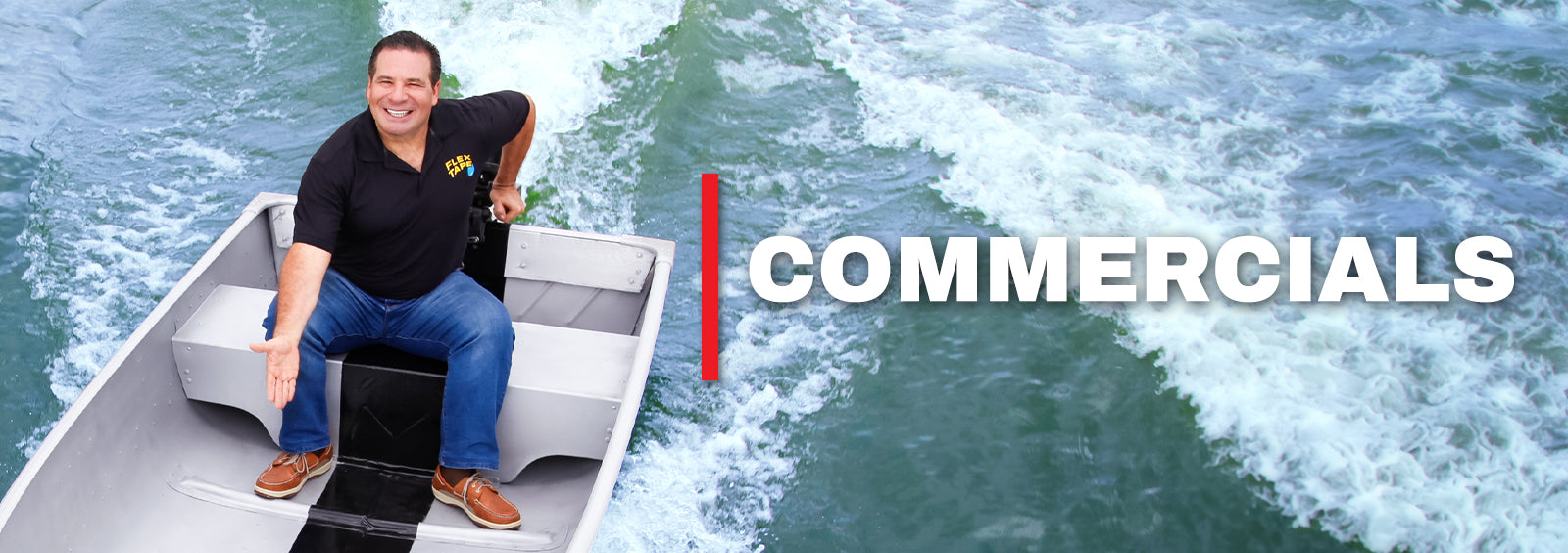
Damage doesn’t always happen in dry conditions, which is why Flex Tape is built to perform even when submerged. Flex Tape holds strong underwater, making it a dependable solution for emergency repairs and ongoing leaks.
This powerful adhesive has a thick, rubberized backing that allows it to bond to surfaces underwater. When pressure is applied, Flex Tape conforms to the surface, creating a watertight seal almost instantly. It’s commonly used for underwater repairs in pools, boats, pipes, and other areas where water can’t be shut off. It bonds to materials such as metal, plastic, rubber, vinyl, and fiberglass.
To apply Flex Tape underwater, follow these steps:
1. Clean the Application Surface (If Possible)
Remove any dirt, algae, or debris before applying the tape.
2. Cut the Tape to Size
Cut the tape to the appropriate size using a razor blade or utility knife before entering the water.
3. Apply the Tape
Remove the backing to expose the adhesive, then press the tape firmly against the surface. Apply firm pressure to help push water out and enhance adhesion.
Flexpert Tip: Applying pressure from the center outward helps force trapped water out and strengthens the seal.
Once applied, Flex Tape remains flexible and durable, helping it withstand water pressure, movement, and changing conditions. Learn more about Flex Tape at flexsealproducts.com.